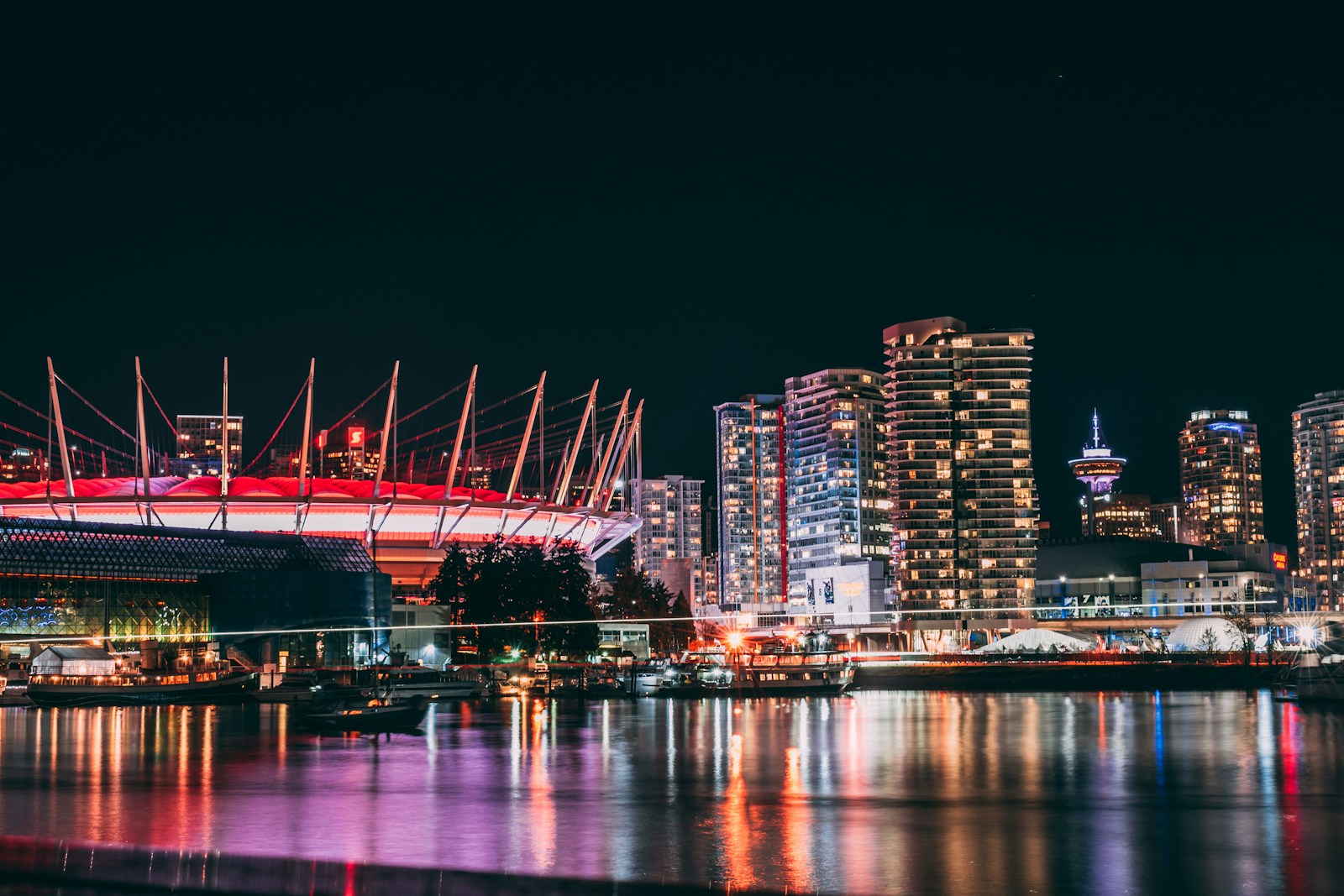
Everyone knows Vancouver is expensive. What most people miss is the more important question: what are you actually getting in return?
I've been selling real estate in Vancouver for over 15 years. I hear the same question every single year, and in 2026 it's louder than ever: "Is it even worth it anymore?"
The truth is, that's the wrong question. The right question is: worth it compared to what? Because value isn't just about cost—it's about what you get in return for that cost. And most people making this decision aren't thinking about it strategically.
So let's run the numbers, make the comparisons, and get real about what Vancouver actually offers.
The cost of living — let's not sugarcoat it
Housing in Vancouver is a premium product. Full stop. You're not going to out-argue that data.
2026 Vancouver Housing Snapshot
1-bed rental: $2,500–$3,200/mo
2-bed rental: $3,500–$4,800/mo
Condo ownership: $650K–$900K+
Avg. household income: $60K–$85K
It's not easy. But here's the thing I tell every client who comes to me with sticker shock: Vancouver's cost reflects demand. You're not overpaying for a commodity—you're paying for access to one of the most desirable living environments in North America. Supply is constrained. Global demand is consistent. That's not marketing spin, that's a 20-year data trend.
Vancouver vs. Toronto vs. Calgary — a real comparison
The comparison that matters isn't about monthly rent. It's about lifestyle ROI. Where does your dollar go the furthest in terms of how you actually live?
Vancouver
Mild year-round climate
Ocean + mountain access daily
Strong long-term RE demand
No car required in key neighbourhoods
Toronto
Larger corporate job market
Dense urban lifestyle
Similar or higher housing costs
Less access to nature
Calgary
More affordable housing
Rapid growth city
Colder climate & different pace
Less proven RE long-term history
Calgary is cheaper. That's real. But if you apply a buy-and-hold mentality—which I apply to everything, not just real estate—Vancouver's long-term track record is unmatched in Canada. Limited land, global demand, consistent immigration, and a lifestyle that keeps drawing people in. That's not a speculative bet. That's a system.
The hidden advantage most people overlook
Transportation
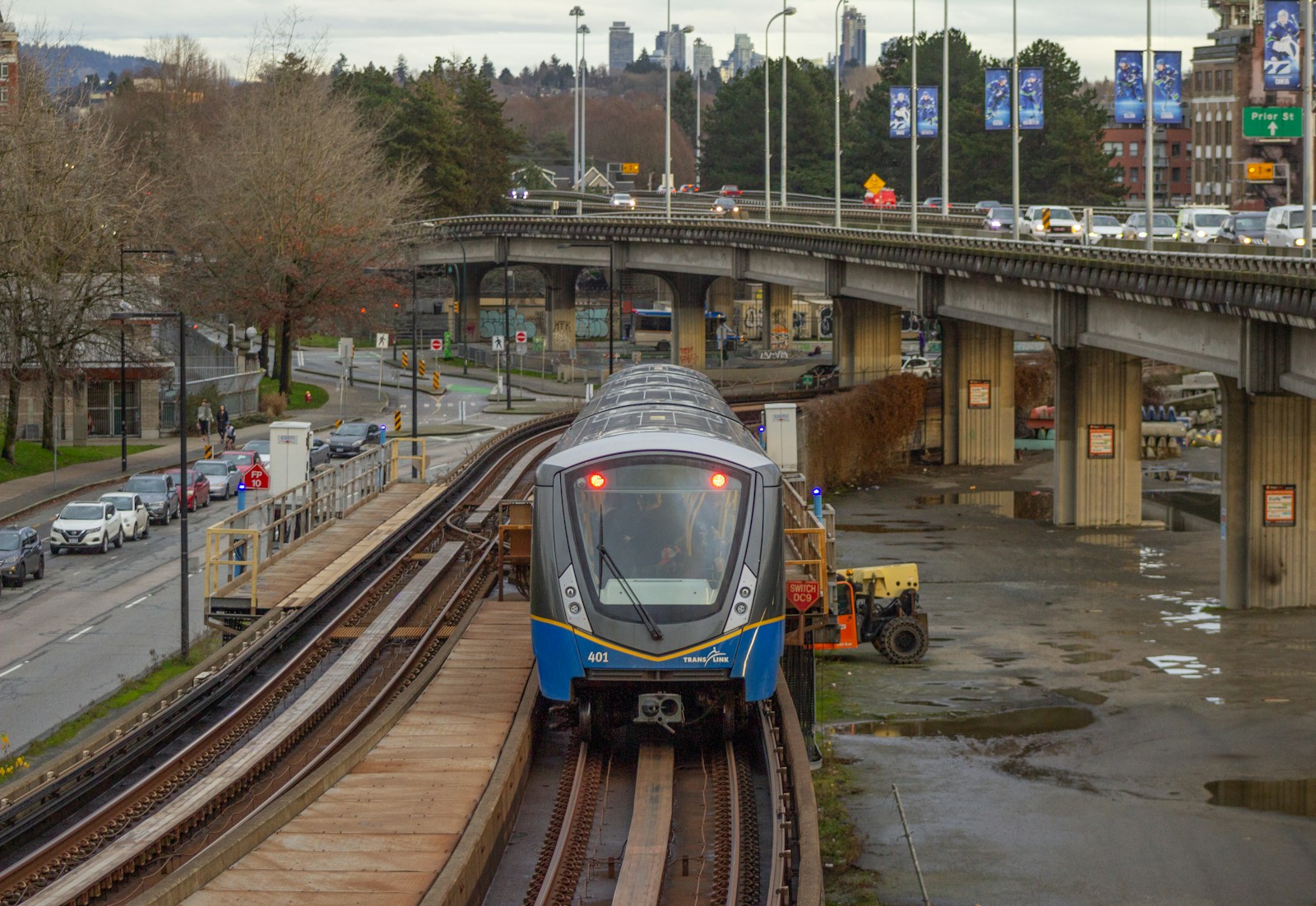
One of Vancouver's most underrated assets is its transit infrastructure. Walkable neighbourhoods, an efficient SkyTrain network, and an expanding system with the Broadway Subway Project mean a growing number of households genuinely don't need a car. Run the math on what that saves annually—insurance, gas, parking, maintenance—and your cost-of-living calculation shifts meaningfully.
Income opportunity
Vancouver's economy isn't just tech and real estate, though both are strong. Skilled trades, healthcare, entrepreneurship, and professional services all have robust demand here. Dual-income households thrive in this market. The key is going in with a strategy, not just a hope.
What you're actually paying for
This is where most cost-of-living analyses miss the point entirely. They treat lifestyle as a soft variable. I treat it as a hard asset.
"You're not just buying housing in Vancouver. You're buying daily access to an environment that very few cities in the world can replicate—ocean, mountains, mild weather, and a functioning urban core. That combination has a price because it has genuine value."
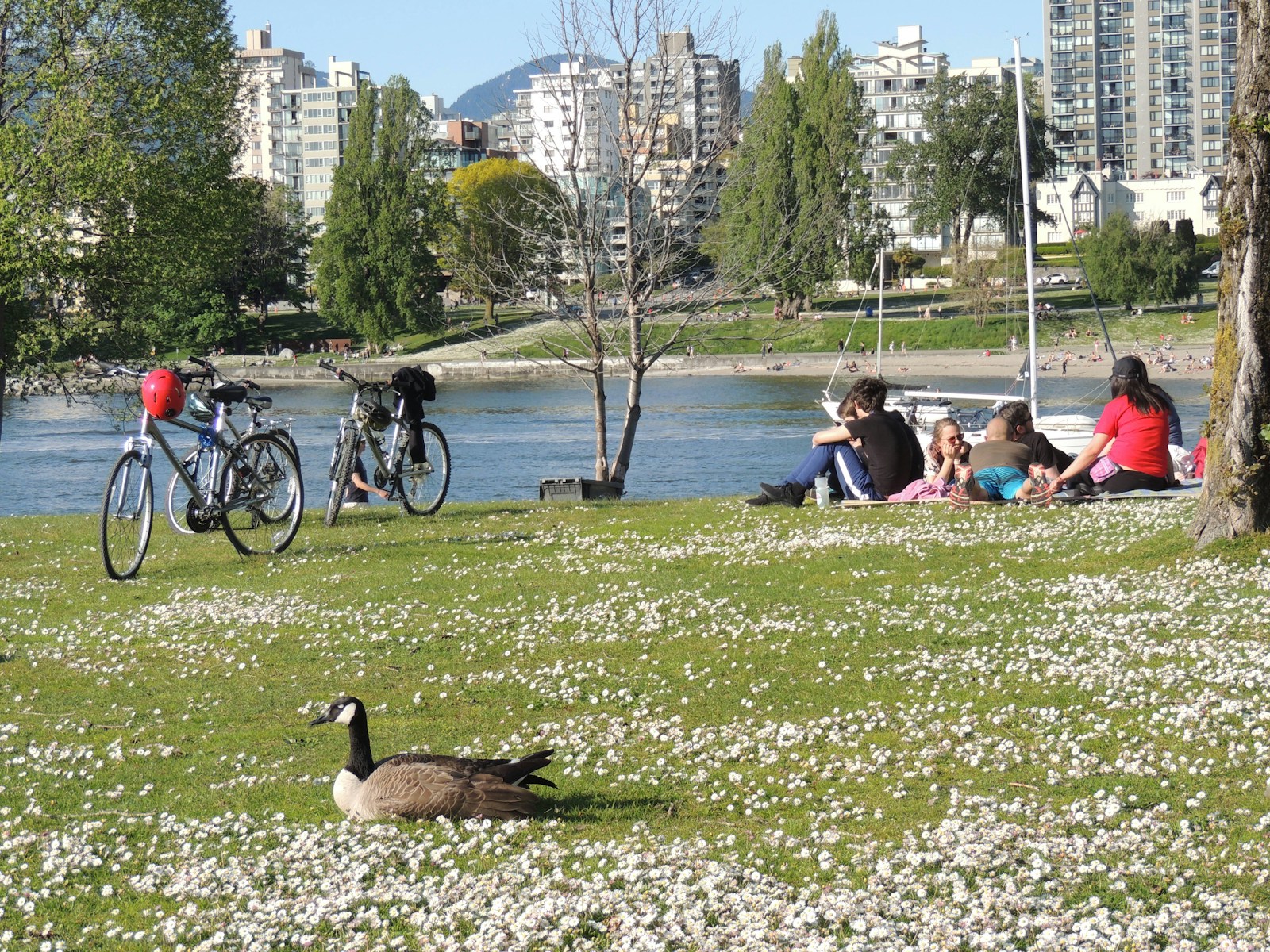
Morning walks by the water. Weekend hikes 30 minutes from downtown. A cycling culture built into the city's infrastructure. A food and café scene that rivals anywhere in the world. These aren't luxury add-ons—for many people, this is the strategy. Live well, invest long-term, and build equity in a market with structural tailwinds.
So is Vancouver worth it in 2026?
Here's my honest, no-fluff answer:
If your goal is the lowest possible cost of living, Vancouver is not your market. There are better options in Canada and globally.
If your goal is long-term real estate equity in a supply-constrained, globally-demanded market—Vancouver is one of the strongest plays on the continent.
If you value lifestyle as part of your overall life strategy, Vancouver delivers a return that doesn't show up on a rent-to-income spreadsheet but is very real.
The people who struggle here came without a plan. The people who thrive came with a five-year mindset and a system.
At the end of the day, real estate—like any long-term investment—rewards discipline and punishes short-term thinking. Vancouver is not a cheap market to enter. But it's a proven market to hold. And for the right buyer, with the right strategy, it still makes complete sense in 2026.
The truth is: people aren't leaving Vancouver. They're still arriving. That tells you everything you need to know.If you want to get ahead of where Metro Vancouver is heading — not just react to it — let's talk strategy. Reach out and let's map out your next move.
Roland Kym brings nearly two decades of experience in the Vancouver real-estate market to his work at Move to Vancouver Canada. Having completed over 1,000 transactions, Roland has developed a streamlined system dedicated to helping professionals, families and international buyers relocate smoothly and confidently.
He knows the region inside and out—from neighbourhoods and school zones to market trends and cross-border considerations. His approach is not about selling dreams, but delivering results. On this blog he draws on his real-world relocation expertise to give you clear, actionable guidance so you can make Vancouver your next home without the guesswork.
 The data relating to real estate on this website comes in part from the MLS® Reciprocity program of either the Greater Vancouver REALTORS® (GVR), the Fraser Valley Real Estate Board (FVREB) or the Chilliwack and District Real Estate Board (CADREB). Real estate listings held by participating real estate firms are marked with the MLS® logo and detailed information about the listing includes the name of the listing agent. This representation is based in whole or part on data generated by either the GVR, the FVREB or the CADREB which assumes no responsibility for its accuracy. The materials contained on this page may not be reproduced without the express written consent of either the GVR, the FVREB or the CADREB.