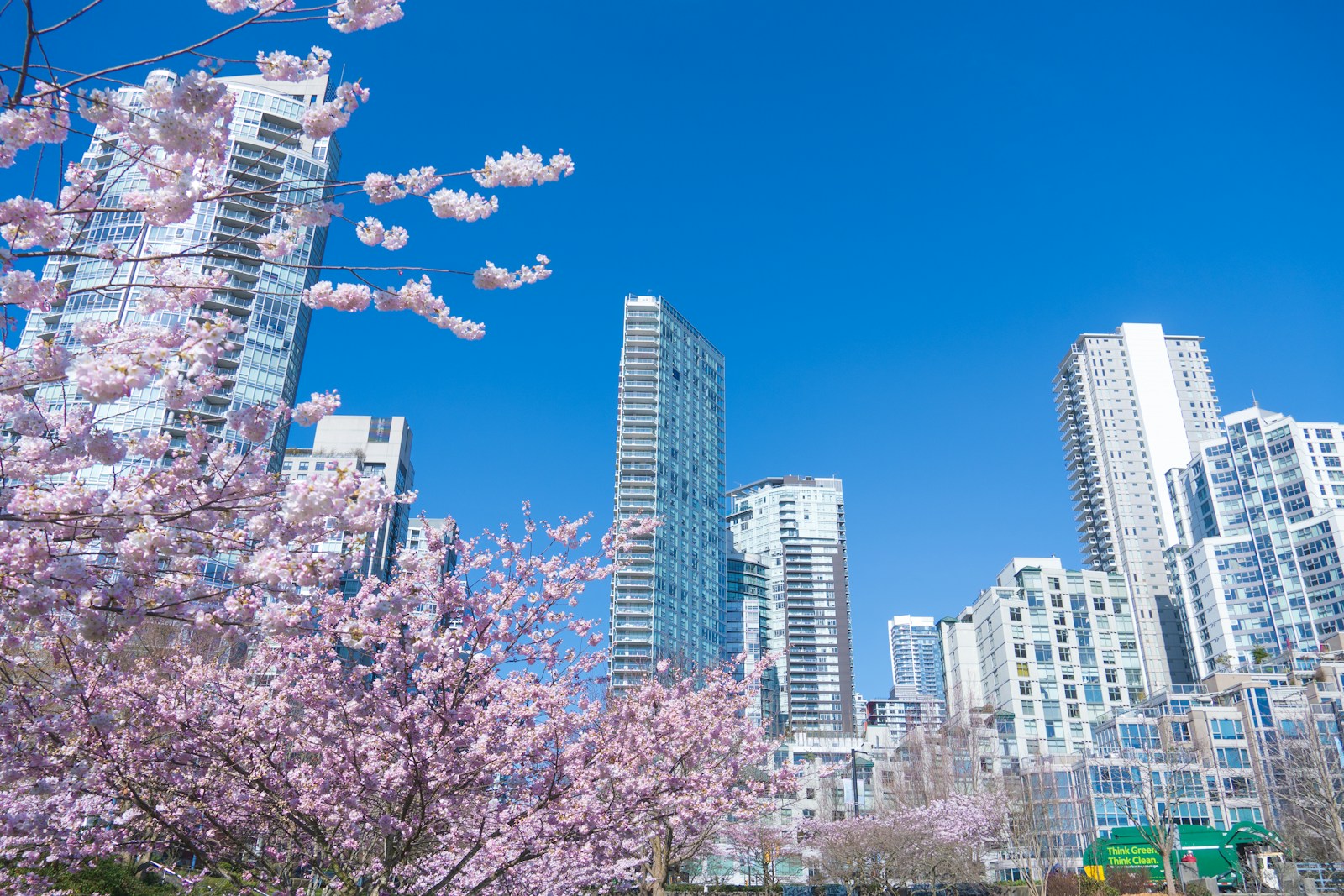
If you've spent any time watching the Vancouver real estate market, you've noticed it. Moving trucks multiplying. Listings turning over faster. Relocation inquiries picking up. It happens every year, right on schedule — May through August.
This isn't noise. It's a pattern. And patterns are where strategy lives.
Let me break down exactly why this seasonal surge happens — and more importantly, what a disciplined buyer does with that information.
It's Not One Reason. It's Five Converging at Once.
The spring-summer window isn't busy by accident. It's busy because multiple variables align simultaneously. Understanding each one helps you position yourself strategically instead of reactively.
1. School Calendars Drive Family Decisions
For families — which make up a significant portion of Vancouver's buyer pool — timing is non-negotiable. Moving between May and August lets kids finish the school year without disruption, gives families time to settle before September, and allows for more flexibility when registering in Vancouver school catchment areas.
That predictability creates concentrated demand. Every year, like clockwork.
2. The City Shows Its Best Hand
The truth is, real estate is partly emotional — and Vancouver in the spring is a different product than Vancouver in February. Cherry blossoms. Longer daylight. Patios open. The seawall alive with activity.
Buyers evaluating neighbourhoods during peak season can actually assess what they're buying: natural light, street energy, walkability, proximity to parks and water. For anyone relocating from outside Metro Vancouver, that clarity builds confidence and accelerates decisions.
It's not sexy data, but it matters.
3. Inventory Increases in Late Spring
Historically, more listings come to market between May and June than at any other point in the year. More selection means more comparison. More comparison means more informed decisions.
For investors and long-term buyers especially, that expanded view of the market is valuable. More inventory doesn't always mean lower prices — but it does mean you're working with the full picture, not a limited winter sample.
4. Logistics Are Simply Easier
Vancouver doesn't face the extreme winters of other Canadian cities, but dry months still matter for execution. Fewer weather delays. Smoother inspection timelines. Less friction in possession transitions.
At the end of the day, 40-50 transactions a year taught me that execution risk is real. Anything that reduces friction in a deal matters.
5. Investors Think in Cycles
Buyers committing between May and August aren't chasing momentum. The serious ones are planning for long-term residence, positioning for fall rental demand, or making lifestyle-aligned decisions rather than speculative bets.
Buy and hold doesn't start at closing. It starts with understanding the market cycle you're entering and knowing how Metro Vancouver is structured geographically before you commit capital.
What This Means for Your Strategy
Here's the mistake most buyers make: they see seasonal activity spike and either rush in or freeze up. Neither is a strategy.
The disciplined approach is to understand the cycle, then plan around your goals — not the calendar.
If you're considering a move or acquisition in Metro Vancouver, use the spring window to gather data, compare neighbourhoods, and stress-test your criteria. Use the inventory surge to your advantage. But don't let seasonal momentum substitute for a five-year plan.
The people who win in this market aren't the ones who time it perfectly. They're the ones who bought with conviction, held through the noise, and let time do the work.
The Bottom Line
May through August is busy because life transitions align. School years end. Weather cooperates. Inventory expands. The city is compelling. All of it converges at once.
Understanding that pattern doesn't mean you must buy in spring. It means you go in with your eyes open — knowing what's driving activity around you, and staying focused on your own long-term goals.
That's the process. It's not complicated. But it takes discipline to follow it when the market is moving fast around you.
If you're thinking about a move to Vancouver and want a strategic framework — not just a list of listings — let's talk.
Roland Kym brings nearly two decades of experience in the Vancouver real-estate market to his work at Move to Vancouver Canada. Having completed over 1,000 transactions, Roland has developed a streamlined system dedicated to helping professionals, families and international buyers relocate smoothly and confidently.
He knows the region inside and out—from neighbourhoods and school zones to market trends and cross-border considerations. His approach is not about selling dreams, but delivering results. On this blog he draws on his real-world relocation expertise to give you clear, actionable guidance so you can make Vancouver your next home without the guesswork.


 The data relating to real estate on this website comes in part from the MLS® Reciprocity program of either the Greater Vancouver REALTORS® (GVR), the Fraser Valley Real Estate Board (FVREB) or the Chilliwack and District Real Estate Board (CADREB). Real estate listings held by participating real estate firms are marked with the MLS® logo and detailed information about the listing includes the name of the listing agent. This representation is based in whole or part on data generated by either the GVR, the FVREB or the CADREB which assumes no responsibility for its accuracy. The materials contained on this page may not be reproduced without the express written consent of either the GVR, the FVREB or the CADREB.
Comments:
Post Your Comment: