Move to Vancouver Canada Blog

Insights for Moving to Vancouver and Beyond

Stay ahead with expert analysis, practical tips, and local market updates designed specifically for serious buyers and movers. Our blog cuts through the noise to deliver clear, actionable advice on Vancouver neighbourhoods, lifestyle, real estate trends, and relocation strategies. Whether you’re an international newcomer, urban upgrader, or lifestyle seeker, this is your trusted resource for making smart, confident decisions.

RSS

The Pattullo Bridge Replacement: Why Smart Investors Are Paying Attention

Most people see a new bridge and think about shorter commutes. I see it as a data point — one that tells a clear story about where Metro Vancouver is heading, and where long-term value is being built.

Infrastructure Doesn't Lie

I grew up on a farm. You learn quickly that you don't invest in infrastructure without a plan. You don't build a new barn unless you intend to grow. The same logic applies here.

The original Pattullo Bridge opened in 1937 during the Great Depression. For almost 90 years, it was the lifeline between Surrey and New Westminster — narrow lanes, no pedestrian separation, and all the structural anxiety that comes with a bridge approaching its centennial.

Now it's being replaced. And when a region commits hundreds of millions of dollars to rebuild a critical Fraser River crossing, that's not maintenance. That's a bet on the future.

The truth is: governments and developers don't make infrastructure investments in areas they expect to decline. They invest where the data points to growth.

What the New Bridge Actually Delivers

Let's be direct about what's changing on the ground:

  • Wider lanes built to modern safety standards

  • Dedicated walking and cycling paths

  • Improved seismic resilience

  • Better traffic flow and safer entry/exit ramps

It's not sexy, but it's significant. This is the kind of unglamorous, foundational work that makes a region more livable, more commutable, and more investable over a 20–30 year horizon.

For anyone thinking about moving to Metro Vancouver, these upgrades shape daily life more than most people realize.

Surrey and New Westminster: The Long-Term Play

Surrey is already one of BC's fastest-growing municipalities. New Westminster is densifying and evolving. These aren't emerging markets — they're established markets getting stronger infrastructure support.

At the end of the day, this bridge reinforces what the data has been telling us for years: Metro Vancouver doesn't function as isolated cities. It operates as a connected network. And in a network, the nodes that get the most connectivity upgrades tend to appreciate in value.

For buyers and investors, that's the play. Not chasing hype. Identifying where the system is being reinforced — and positioning yourself before the market fully prices it in.

Why Connectivity Should Be on Every Buyer's Checklist

Most buyers focus on the obvious variables: price, square footage, school district, proximity to parks. All valid. But experienced investors also look at regional connectivity — the bridges, transit lines, and road networks that quietly dictate long-term demand.

Here's why it matters:

  • Connectivity drives commutability, and commutability drives demand

  • Infrastructure upgrades signal long-term regional investment confidence

  • Improved access makes previously overlooked areas more desirable

  • In a constrained geography like Metro Vancouver, smarter infrastructure replaces outward sprawl

Metro Vancouver is hemmed in by water and mountains. Growth has to go up and inward — not outward. Projects like the Pattullo replacement are what make that sustainable. Understanding how Metro Vancouver is structured geographically changes how you evaluate opportunity.

The Buy-and-Hold Lens on Infrastructure

I apply a buy-and-hold mentality to everything — real estate, business, and how I evaluate markets. That means I'm not looking at what a neighbourhood does this quarter. I'm asking: what does this area look like in five, ten, twenty years?

The Pattullo Bridge replacement is a 20-year asset. It will influence commuting patterns, development decisions, and property values for decades. If your investment horizon is shorter than that, maybe you're not thinking long enough.

It's not easy to stay disciplined in a market full of noise. But the process is straightforward: identify where infrastructure investment is going, understand what that means for connectivity and demand, and position yourself strategically — not reactively.

That starts with knowing how different Metro Vancouver neighbourhoods are evolving before the broader market catches up.

The Bottom Line

A new bridge is more than steel and concrete. It's a signal. It tells you that a region believes in its own future — enough to commit serious capital to connecting its communities.

If you're evaluating where to buy or invest in Metro Vancouver, infrastructure projects belong on your radar. Not because they generate overnight returns — they don't. But because over a five-year or ten-year hold, they quietly compound the value of being in the right place.


Roland Kym brings nearly two decades of experience in the Vancouver real-estate market to his work at Move to Vancouver Canada. Having completed over 1,000 transactions, Roland has developed a streamlined system dedicated to helping professionals, families and international buyers relocate smoothly and confidently.

He knows the region inside and out—from neighbourhoods and school zones to market trends and cross-border considerations. His approach is not about selling dreams, but delivering results. On this blog he draws on his real-world relocation expertise to give you clear, actionable guidance so you can make Vancouver your next home without the guesswork.


Read

Why Vancouver Feels Different From Other Canadian Cities

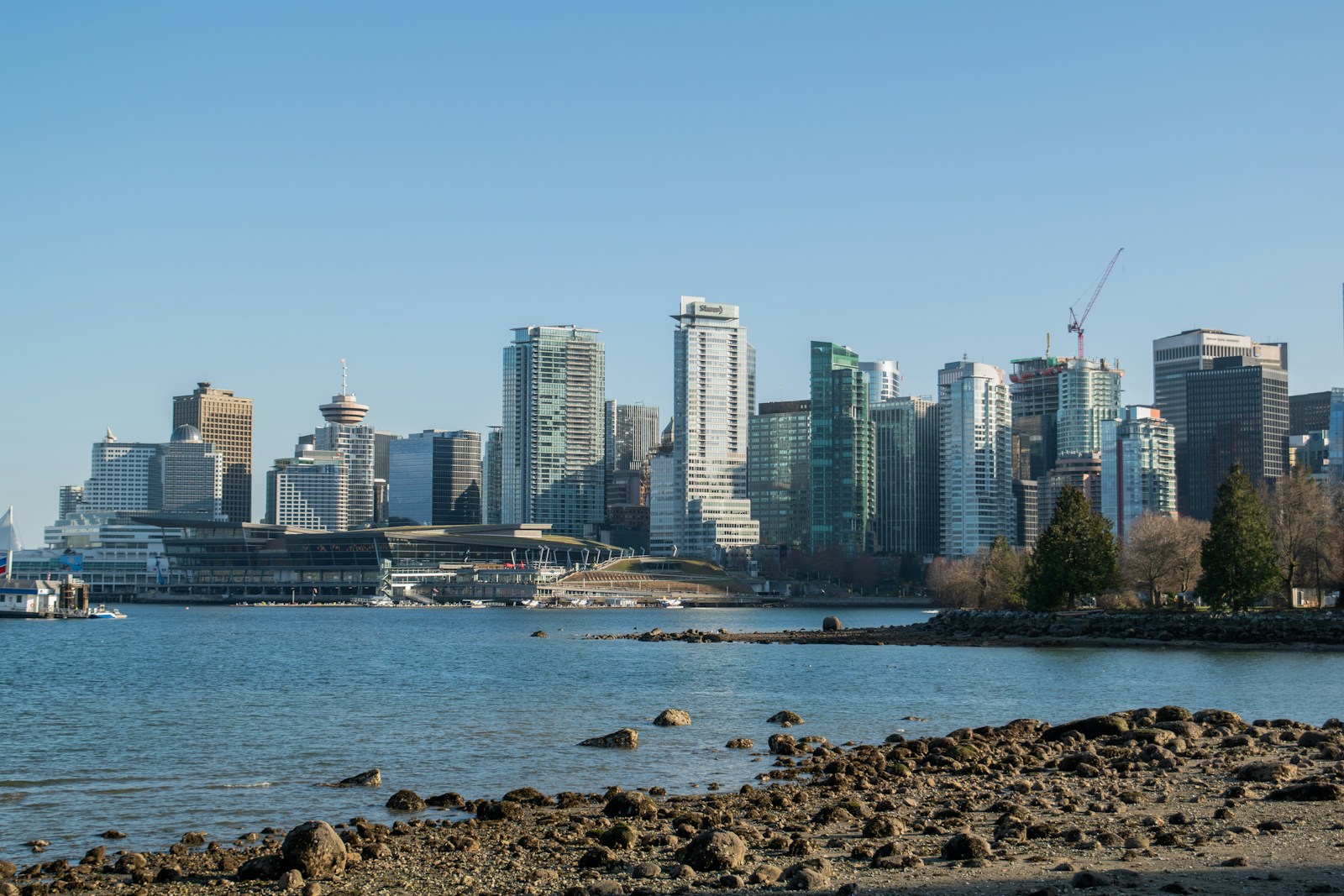
Spend time in Vancouver and you quickly realize — it doesn't feel like most other Canadian cities.

It's not just the mountains in the background or the ocean views. It's something subtler. The pace. The rhythm. The way neighbourhoods connect to nature. The way people move through the city.

Whether you're visiting, living here, or thinking about moving to Vancouver, it doesn't take long to notice the difference.

So what exactly makes Vancouver feel distinct?

The Climate Shapes Everything

The first and most obvious difference is climate.

While much of Canada experiences long, snowy winters and sharp seasonal shifts, Vancouver lives in a softer rhythm. Winters are rainy, not frozen. Spring arrives earlier. Outdoor life doesn't shut down — it just adapts.

This changes daily behavior. People walk year-round. Parks stay active. Ocean paths and mountain trails remain part of regular life, even in February.

The weather doesn't stop the city — it shapes it.

If you're exploring relocation options, understanding what living in Vancouver actually feels like throughout the year makes a big difference.

The Pace Is Calm — But Not Slow

Compared to Toronto or Montreal, Vancouver feels calmer. Compared to smaller prairie cities, it feels denser and more urban.

It sits somewhere in between.

There's ambition here, but not the same corporate rush. There's energy, but not the same intensity. The city moves — but rarely feels frantic.

That pace becomes especially noticeable when exploring how different Vancouver neighbourhoods actually live, because each area carries its own rhythm within the broader city.

Outdoor Culture Is Part of Identity

In many Canadian cities, outdoor recreation is seasonal.

In Vancouver, it's cultural.

People don't just visit nature — they build their lives around it. Skiing before work. Evening seawall walks. Weekend mountain hikes. Ocean kayaking minutes from downtown.

This constant proximity to nature changes how neighborhoods develop. Areas near parks, trails, and water don't just offer views — they shape daily routines.

That's one reason choosing the right Vancouver neighbourhood for your lifestyle matters more than it might elsewhere.

Urban Density Without Endless Sprawl

Unlike many North American cities that expand outward for miles, Vancouver is geographically constrained by mountains and water.

That limitation has forced the city to grow differently.

Instead of spreading endlessly, Vancouver increases density in specific pockets. Mid-rise buildings sit beside older homes. Residential streets exist steps away from busy commercial corridors.

Understanding how Vancouver is laid out geographically helps explain why two areas minutes apart can feel worlds away.

The Real Estate Footprint Feels Unique

Housing in Vancouver reflects its geography and lifestyle.

Smaller lots. More vertical living. A mix of condos, townhomes, single-family homes, laneway houses, and secondary suites — often on the same few blocks.

This variety influences neighbourhood personality. Some streets feel quiet and residential. Others feel active and walkable.

It's not just about price — it's about footprint.

That's why many people take time to understand how housing types shape neighbourhood character before making long-term decisions.

Final Thoughts: Different by Design

Vancouver feels different because it is different — geographically, culturally, and structurally.

The climate softens the seasons. The mountains and water shape development. The lifestyle blends urban life with outdoor living. The neighbourhoods each tell their own story.

You don't just choose Vancouver. You choose your version of Vancouver and once you understand those layers, the city makes a lot more sense.


Roland Kym brings nearly two decades of experience in the Vancouver real-estate market to his work at Move to Vancouver Canada. Having completed over 1,000 transactions, Roland has developed a streamlined system dedicated to helping professionals, families and international buyers relocate smoothly and confidently.

He knows the region inside and out—from neighbourhoods and school zones to market trends and cross-border considerations. His approach is not about selling dreams, but delivering results. On this blog he draws on his real-world relocation expertise to give you clear, actionable guidance so you can make Vancouver your next home without the guesswork.

Read

Why Vancouver Neighbourhoods Feel So Different — Even When They're Only Minutes Apart

If you've spent any time exploring Vancouver, you've probably noticed something surprising.

You can travel just a few minutes down the road and suddenly feel like you're in a completely different place. The streets sound different. The pace changes. Even the way people move through the neighbourhood feels distinct.

That contrast isn't in your head — it's one of the defining characteristics of this city.

Distance Doesn't Equal Similarity in Vancouver

In many cities, neighbourhoods blend gradually into one another. In Vancouver, the shift can feel almost immediate.

A short drive, walk, or transit ride can take you from:

  • Quiet, tree-lined streets to busy urban corridors

  • Low-rise residential pockets to dense mixed-use areas

  • Neighbourhood cafés to destination dining hubs

This is why people thinking about moving to Vancouver are often surprised by how important neighbourhood choice becomes once they're here. The truth is, you're not just choosing a home — you're choosing a daily rhythm.

Geography Plays a Bigger Role Than People Expect

Vancouver's physical layout has a powerful influence on how neighbourhoods feel.

Elevation changes, proximity to water, bridges, and natural barriers all shape daily life. A neighbourhood on one side of a hill or body of water can feel calmer, brighter, or quieter than another just minutes away.

That's why understanding how Vancouver neighbourhoods are laid out geographically matters just as much as knowing their names. It's not sexy, but it's strategic.

Density Changes the Rhythm of Daily Life

Density isn't good or bad — but it does change how a place feels.

Some neighbourhoods have more people moving through during the day, more noise, energy, and activity, and a steady flow of foot traffic. Others feel slower, more residential, and more predictable.

These differences often come down to how housing types are mixed within each neighbourhood — something that has changed significantly over the past decade. If you're not paying attention to this, you're making decisions with incomplete data.

Transit and Walkability Shape Behaviour

Neighbourhoods that sit along major transit routes or commercial corridors tend to feel busier — even if they're close to quieter areas.

People walk more. Streets feel more animated. Daily errands happen on foot instead of by car.

That's why choosing the right Vancouver neighbourhood for your lifestyle isn't just about the home itself — it's about how you move through your day. At the end of the day, your commute, your coffee run, and your Sunday routine are all shaped by this.

The "Feel" of a Neighbourhood Matters More Than Ever

As work schedules have become more flexible and people spend more time close to home, the feel of a neighbourhood has taken on new importance.

People are paying attention to:

  • Noise levels at different times of day

  • How busy streets feel on weekdays

  • Whether the area feels social or private

This is why more people are taking time to understand how different Vancouver neighbourhoods actually live, rather than relying on old assumptions. The five-year plan you're building starts with getting this choice right.

Why This Matters When Choosing Where to Live

When neighbourhoods feel so different so close together, choosing where to live becomes less about convenience and more about fit.

Two homes with similar prices and layouts can offer completely different daily experiences depending on where they're located. That's not a small detail — that's everything.

For anyone considering a change, it's worth stepping back to understand how Vancouver is changing block by block, because those small shifts shape everyday life in meaningful ways.

Final Thoughts: Vancouver Is a City of Micro-Communities

Vancouver doesn't operate as one uniform city — it's a collection of micro-communities, each with its own rhythm, personality, and pace.

That's why neighbourhood choice can feel harder than it used to — and why it also matters more.

The goal isn't to find the "best" neighbourhood. It's to find the one that fits how you want to live in Vancouver.

If you're ready to build a real strategy around where you should live — not just where you can afford — let's talk.


Roland Kym brings nearly two decades of experience in the Vancouver real-estate market to his work at Move to Vancouver Canada. Having completed over 1,000 transactions, Roland has developed a streamlined system dedicated to helping professionals, families and international buyers relocate smoothly and confidently.

He knows the region inside and out—from neighbourhoods and school zones to market trends and cross-border considerations. His approach is not about selling dreams, but delivering results. On this blog he draws on his real-world relocation expertise to give you clear, actionable guidance so you can make Vancouver your next home without the guesswork.

Read

Why Choosing Where You Live in Vancouver Feels Harder Than It Used To

If you've caught yourself saying, "Why does this feel so complicated now?" when thinking about where to live in Vancouver—you're not alone.

It used to be simpler. You picked a neighbourhood, found a home you liked, and figured the rest out along the way. Today, that same decision carries more weight. More variables. More questions.

It's not because you're overthinking it. It's because Vancouver has fundamentally changed—and so have the questions people need to answer before they commit.

There Are More Choices, Not Fewer

One of the biggest shifts is that neighbourhoods now offer a wider mix of everything—housing types, densities, and lifestyles—often within the same few blocks.

Two areas that once felt similar can now feel completely different once you're actually living there. That's why more people are spending time understanding how Vancouver neighbourhoods actually feel day to day, not just how they look on a map or in a marketing brochure.

The truth is, more options don't always make decisions easier. They make them more strategic.

Lifestyle Matters More Than Ever

Housing decisions in Vancouver are no longer just about square footage or proximity to transit.

They're about:

  • Daily routines and how a neighbourhood supports them

  • Commute flexibility and whether you need it

  • Noise levels and the actual rhythm of the street

  • Walkability and whether it matters to how you live

  • How a place feels on a Tuesday, not just a Saturday afternoon

As work schedules, family structures, and personal priorities have shifted, people are choosing homes based on how they want to live—not just where they can afford to be. That's a more disciplined approach, but it also requires more honesty with yourself about what actually matters.

For anyone thinking about moving to Vancouver, this can feel overwhelming. But it's also an opportunity to be more intentional.

Neighbourhoods Are Evolving Quietly

Another reason decisions feel harder is that neighbourhoods are changing—often in subtle, gradual ways.

You may notice:

  • More people living on the same street

  • Increased activity during weekdays

  • New housing types mixed into familiar blocks

  • A different rhythm to daily life

These changes don't happen overnight, but they do affect how a place feels. Understanding how different types of homes shape neighbourhood character helps explain why areas you once knew well can feel different today.

The "Right Choice" Is More Personal Now

In the past, people often followed similar paths. Certain neighbourhoods were "starter areas." Others were "family zones." Some were clearly "later-stage" choices.

That line has blurred.

Today, two people at the same life stage may choose completely different places based on personal priorities. That's why choosing where to live in Vancouver feels less like following a formula and more like making a deeply personal, strategic decision.

At the end of the day, this isn't a bad thing. It just requires more discipline upfront.

Why This Complexity Isn't Negative

While it may feel harder, this shift reflects progress.

It means:

  • People are thinking more carefully about long-term fit

  • Neighbourhoods are being used and lived in, not just passed through

  • Decisions are based on real life, not outdated assumptions

The key is giving yourself time to understand not just homes, but how the city itself is changing—block by block, neighbourhood by neighbourhood. This is a buy-and-hold mentality applied to where you live. You're not picking a stepping stone. You're choosing a foundation.

Final Thoughts: Complexity Is a Sign of a Living City

Choosing where to live in Vancouver feels harder than it used to because the city has grown more layered, more diverse, and more lived-in.

That complexity can feel uncomfortable—especially if you're used to clearer answers. But it also reflects a city that's evolving, adapting, and offering more ways to belong.

The goal isn't to find the "perfect" place. It's to find the place that fits your version of Vancouver life—and supports the way you actually want to live for the next five to ten years.

If you're ready to build a real strategy around where you live, not just where you can buy, let's talk.


Roland Kym brings nearly two decades of experience in the Vancouver real-estate market to his work at Move to Vancouver Canada. Having completed over 1,000 transactions, Roland has developed a streamlined system dedicated to helping professionals, families and international buyers relocate smoothly and confidently.

He knows the region inside and out—from neighbourhoods and school zones to market trends and cross-border considerations. His approach is not about selling dreams, but delivering results. On this blog he draws on his real-world relocation expertise to give you clear, actionable guidance so you can make Vancouver your next home without the guesswork.

Read

Why February Is When Vancouver Real Estate Decisions Start to Feel Real

There's a noticeable shift that happens in Vancouver once February arrives.

January is about watching.
February is about deciding.

Nothing dramatic changes overnight, but the energy does. People stop browsing and start planning. Conversations move from "sometime this year" to "what does this actually look like for us?" Housing decisions begin to feel more real.

If you've felt that shift — you're not imagining it.

January Was for Observing. February Is for Clarity.

January is a quiet month by nature. People reset after the holidays, routines slowly return, and the housing market moves at a measured pace.

By February, that pause ends.

People have had time to:

  • Review their finances

  • Talk through plans with their families

  • Watch what actually happened in January

  • Start thinking about timelines

The truth is, February is often when curiosity turns into intention. For anyone thinking about making a move, this is the month where the process starts to feel manageable instead of overwhelming.

Why February Always Feels Different in Vancouver

February isn't louder than January — it's more focused.

Buyers aren't rushing, but they're more engaged.
Sellers aren't panicking, but they're preparing.

The market doesn't suddenly change, but decision-making becomes more deliberate. That's why February often feels like the real beginning of the year when it comes to housing.

This is also when people start paying closer attention to how different neighbourhoods actually feel day to day, not just how they look online or in a single weekend drive-through.

Lifestyle Starts to Matter More Than Timing

By February, many people stop asking, "Is this the perfect time?" and start asking better questions.

Questions like:

  • Can we see ourselves living here?

  • Does this neighbourhood match our lifestyle?

  • How does this area feel during a normal week?

In Vancouver especially, housing decisions are increasingly driven by lifestyle fit, not just price or square footage. Commute patterns, walkability, access to green space, and daily routines matter more than ever.

At the end of the day, choosing the right neighbourhood for your lifestyle is what determines whether you stay five years or fifteen.

Housing Choices Quietly Shape How the City Feels

February also brings more awareness of how housing itself shapes neighbourhoods.

More people are noticing:

  • Increased density on familiar blocks

  • A mix of housing types living side by side

  • Neighbourhoods becoming more active throughout the day

These changes don't happen all at once, but over time they influence how busy, social, or quiet an area feels. Understanding how different types of homes influence neighbourhood character helps explain why Vancouver feels different than it did even a few years ago.

February Is When Plans Start to Take Shape

By early February, many people are no longer casually browsing.

They're:

  • Narrowing options

  • Revisiting neighbourhoods in person

  • Talking timelines with their advisors

  • Preparing for decisions later in the spring

This doesn't mean action has to happen immediately. It simply means the thinking becomes clearer and more grounded.

For anyone considering a change, February is a great time to step back and understand how Vancouver is evolving block by block, before momentum picks up later in the year.

Final Thoughts: February Is Quietly Important

February doesn't arrive with headlines or hype — but it matters.

It's the month where intentions solidify, questions get sharper, and people begin to align plans with reality. In Vancouver, that shift is subtle but meaningful.

Whether you're staying put, planning a move, or simply paying attention to how the city is evolving, February is when the year starts to feel real.

If you're ready to move past the browsing phase and want to build a real strategy around your next move, let's talk. The best decisions aren't rushed — they're disciplined, deliberate, and grounded in data.

If you're ready to talk strategy about your next move in Vancouver, let's have a real conversation.


Roland Kym brings nearly two decades of experience in the Vancouver real-estate market to his work at Move to Vancouver Canada. Having completed over 1,000 transactions, Roland has developed a streamlined system dedicated to helping professionals, families and international buyers relocate smoothly and confidently.

He knows the region inside and out—from neighbourhoods and school zones to market trends and cross-border considerations. His approach is not about selling dreams, but delivering results. On this blog he draws on his real-world relocation expertise to give you clear, actionable guidance so you can make Vancouver your next home without the guesswork.

Read
Categories:   Food | Relocation
Reciprocity Logo The data relating to real estate on this website comes in part from the MLS® Reciprocity program of either the Greater Vancouver REALTORS® (GVR), the Fraser Valley Real Estate Board (FVREB) or the Chilliwack and District Real Estate Board (CADREB). Real estate listings held by participating real estate firms are marked with the MLS® logo and detailed information about the listing includes the name of the listing agent. This representation is based in whole or part on data generated by either the GVR, the FVREB or the CADREB which assumes no responsibility for its accuracy. The materials contained on this page may not be reproduced without the express written consent of either the GVR, the FVREB or the CADREB.